

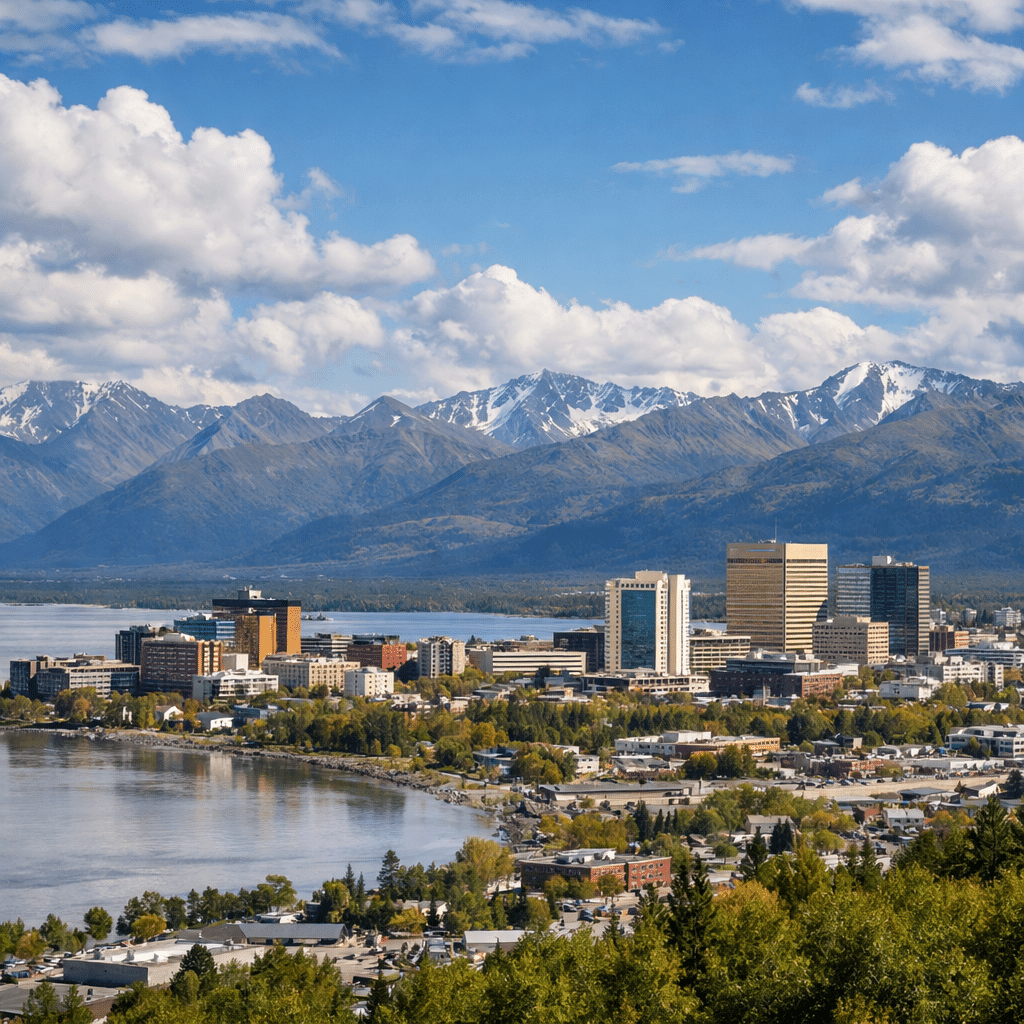
Anchorage, Alaska’s largest city, is experiencing notable shifts in its climate. These changes are influencing daily life, infrastructure, and the natural environment.
Warming Trends
Since the 1970s, Anchorage’s average temperatures have risen approximately 4°F, with winter temperatures increasing even more dramatically. In 2019, the city reached 90°F for the first time in recorded history. This warming trend is part of a broader pattern affecting the entire state, which is warming at twice the global average rate.
Changing Precipitation Patterns
Alongside rising temperatures, Anchorage has seen alterations in precipitation. While the core winter months—December, January, and February—have experienced increased snowfall, the shoulder months—October, November, March, and April—are witnessing more rain and freezing rain events. These changes pose challenges for city services, including road maintenance and infrastructure upkeep.
Environmental Impacts
The warming climate has led to permafrost thaw, destabilizing infrastructure and increasing wildfire risks, particularly in areas like the Hillside neighborhoods. Additionally, Cook Inlet’s sea ice season has shortened by approximately 30 days since 1980, affecting local ecosystems and industries.
Community Adaptation
In response to these changes, Anchorage is revamping its climate action plan to enhance resilience. Efforts include updating infrastructure to withstand new weather patterns and implementing strategies to mitigate environmental impacts.
Understanding and adapting to Anchorage’s evolving climate is crucial for the community’s sustainability and well-being. Staying informed and proactive will help residents navigate these changes effectively.