

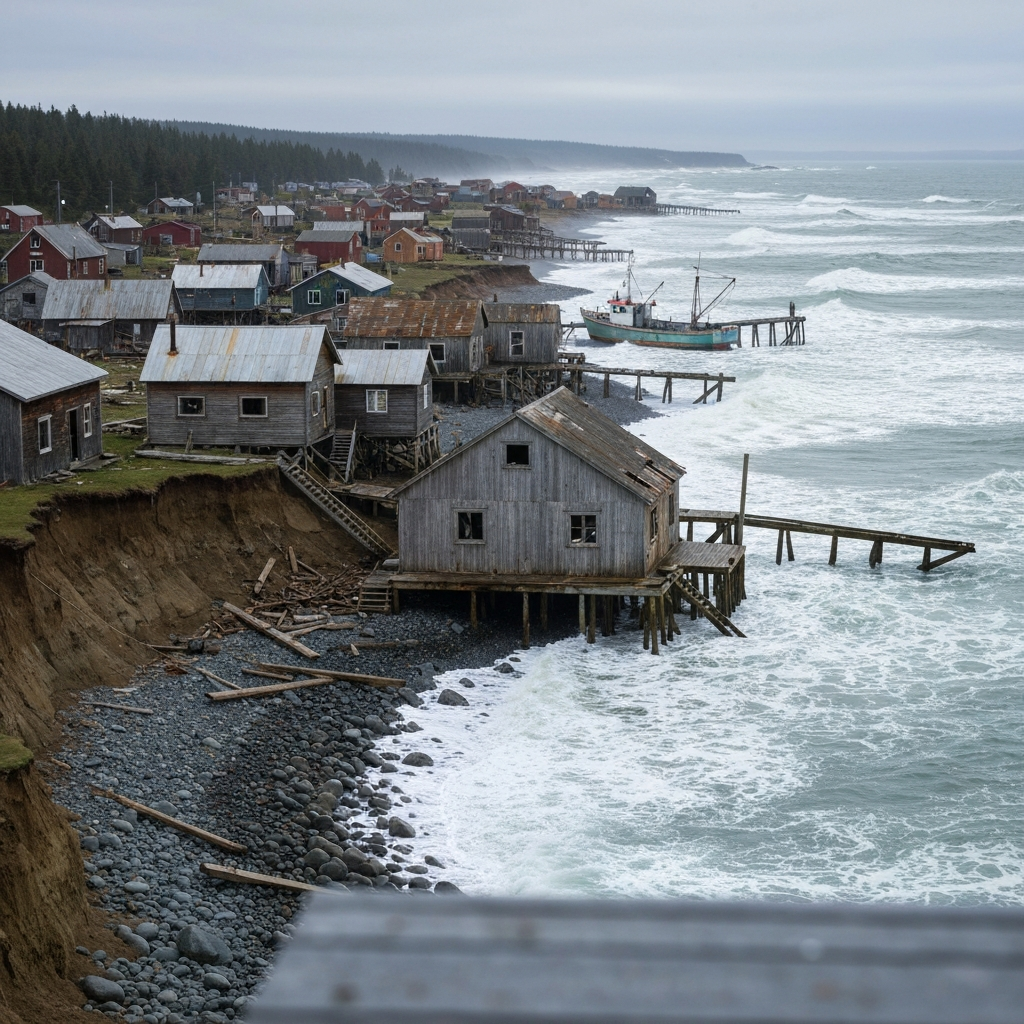
Alaska’s unique position in the Arctic makes it particularly vulnerable to the effects of global climate change. Recent years have seen a series of extreme weather events that have had profound impacts on the state’s environment and its residents.
Increasing Frequency of Extreme Weather Events
One notable trend is the rising occurrence of tropical cyclones transitioning into powerful extratropical storms affecting Alaska. For instance, in October 2025, the remnants of Typhoon Halong intensified over the North Pacific, leading to severe flooding and strong winds in southwestern Alaska. This phenomenon underscores the influence of warmer sea surface temperatures on storm behavior, resulting in more frequent and intense storms reaching higher latitudes. [Source: Insights from Ex-Typhoon Halong (2025) — An Arctic Cyclone of Tropical Origin]
Wildfires and Ecosystem Changes
The 2025 wildfire season in Alaska was particularly severe, with approximately 1.68 million acres burned by mid-September, nearly double the state’s 10-year average. Factors contributing to this increase include prolonged periods of extreme heat and dry conditions, which have been linked to broader global climate patterns. These wildfires not only threaten human settlements but also disrupt local ecosystems and wildlife habitats. [Source: 2025 Alaska wildfires]
Community Resilience and Adaptation
Alaskan communities, especially those in remote regions, are on the frontlines of these climatic changes. Indigenous communities, in particular, face challenges such as permafrost thaw, coastal erosion, and increased flooding. Organizations like the Alaska Climate Justice Program are working alongside these communities to support their sovereignty and human rights as they navigate the impacts of a changing climate. [Source: Our Work — Alaska Climate Justice Program]
Understanding the connection between global climate events and local impacts is crucial for developing effective adaptation and mitigation strategies. As climate patterns continue to evolve, ongoing research and community engagement will be essential in building resilience and safeguarding Alaska’s unique environment and way of life.