

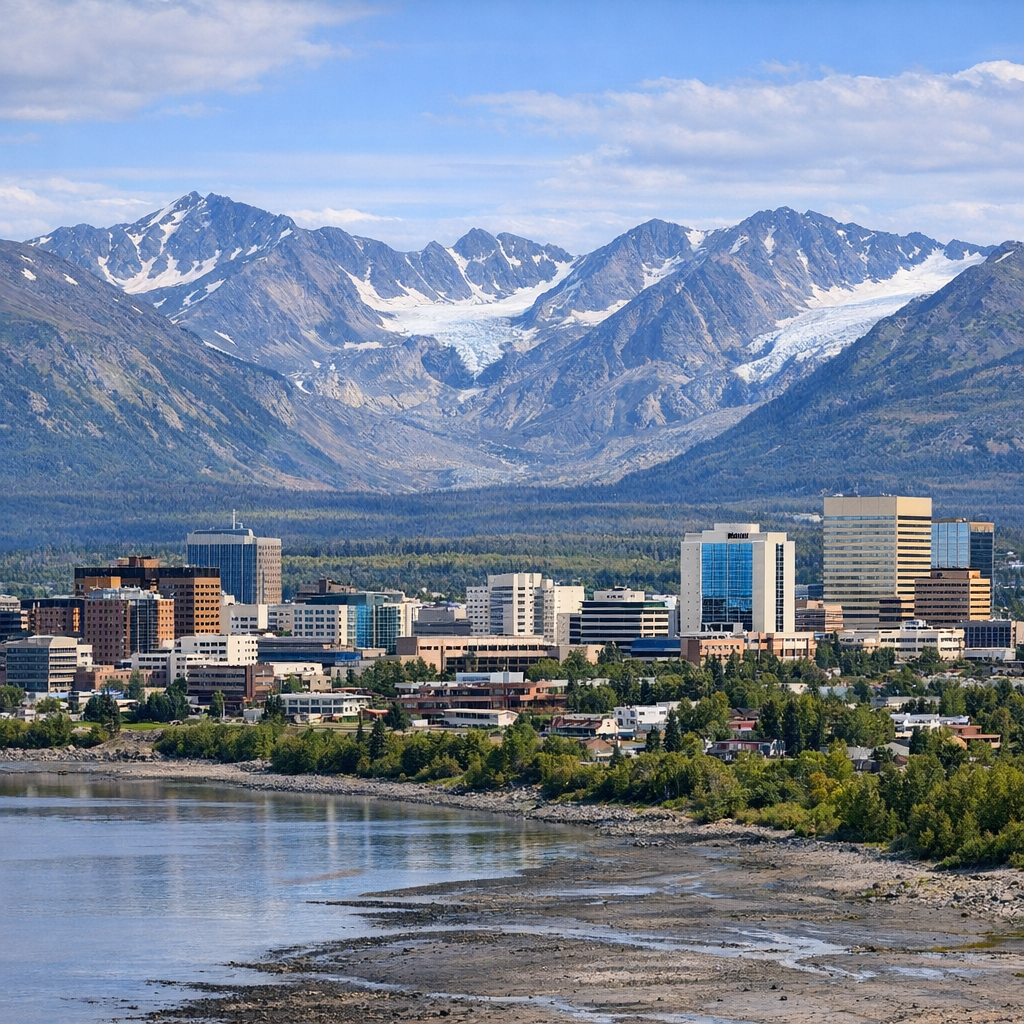
Anchorage, Alaska, is experiencing significant climatic shifts that are reshaping our environment and daily lives. Understanding these changes and the community’s proactive responses is essential for fostering resilience and sustainability.
Warming Trends and Shortened Winters
Over the past few decades, Anchorage has witnessed a notable increase in average temperatures. Since the 1970s, the city’s average temperature has risen by approximately 4°F, with winter temperatures experiencing even more pronounced increases. This warming trend has led to shorter winter seasons; recent analyses indicate that Anchorage’s winters have shortened by about 49 days compared to previous decades. These changes are consistent with the rapid warming observed in high-latitude regions.
Environmental Impacts
The warming climate has several direct effects on Anchorage’s environment:
- Permafrost Thaw: Thawing permafrost destabilizes infrastructure, leading to challenges in maintaining roads and buildings.
- Wildfire Risk: Warmer temperatures and drier conditions contribute to longer and more intense wildfire seasons.
- Glacial Retreat: Local glaciers are retreating at accelerating rates, impacting ecosystems and water resources.
- Sea Ice Reduction: The sea ice season in Cook Inlet has shortened by approximately 30 days since 1980, affecting marine habitats and local fisheries.
Community Initiatives and Adaptation Strategies
In response to these climatic changes, Anchorage has undertaken several initiatives:
- Climate Action Plan: The Municipality of Anchorage has developed a comprehensive climate action plan aiming to reduce greenhouse gas emissions by 80% by 2050, based on 2008 levels. This plan encompasses strategies for energy efficiency, renewable energy adoption, and community engagement.
- Environmental Monitoring: The Anchorage Health Department, in collaboration with local partners, has expanded air quality monitoring across the city. This network focuses on areas impacted by environmental justice issues and aims to provide real-time data to inform public health decisions.
- Habitat Conservation: The establishment of the Potter Marsh Watershed Park in December 2024 protects 300 acres of vital wetland and upland habitats. This park not only conserves biodiversity but also offers recreational opportunities for residents and visitors.
- Community Engagement: Programs like Yarducopia by Alaska Community Action on Toxics encourage residents to engage in regenerative gardening practices, promoting local food production and environmental stewardship.
Looking Ahead
As Anchorage continues to navigate the challenges posed by a changing climate, community involvement and proactive planning remain crucial. By staying informed and participating in local initiatives, residents can contribute to building a resilient and sustainable future for our city.
For those interested in getting involved, upcoming events such as the Anchorage Coastal Cleanup & Marine Education Day on June 14, 2026, offer opportunities to engage in environmental stewardship and learn more about our coastal ecosystems.
Understanding and addressing the impacts of climate change is a collective effort. Through continued education, adaptation, and community action, Anchorage can effectively respond to these environmental challenges.