

Alaska’s vast natural resources have long positioned the state as a cornerstone of the United States’ energy landscape. From the oil-rich North Slope to the renewable energy initiatives in remote communities, Alaska’s contributions are both diverse and substantial.
Oil and Gas Production
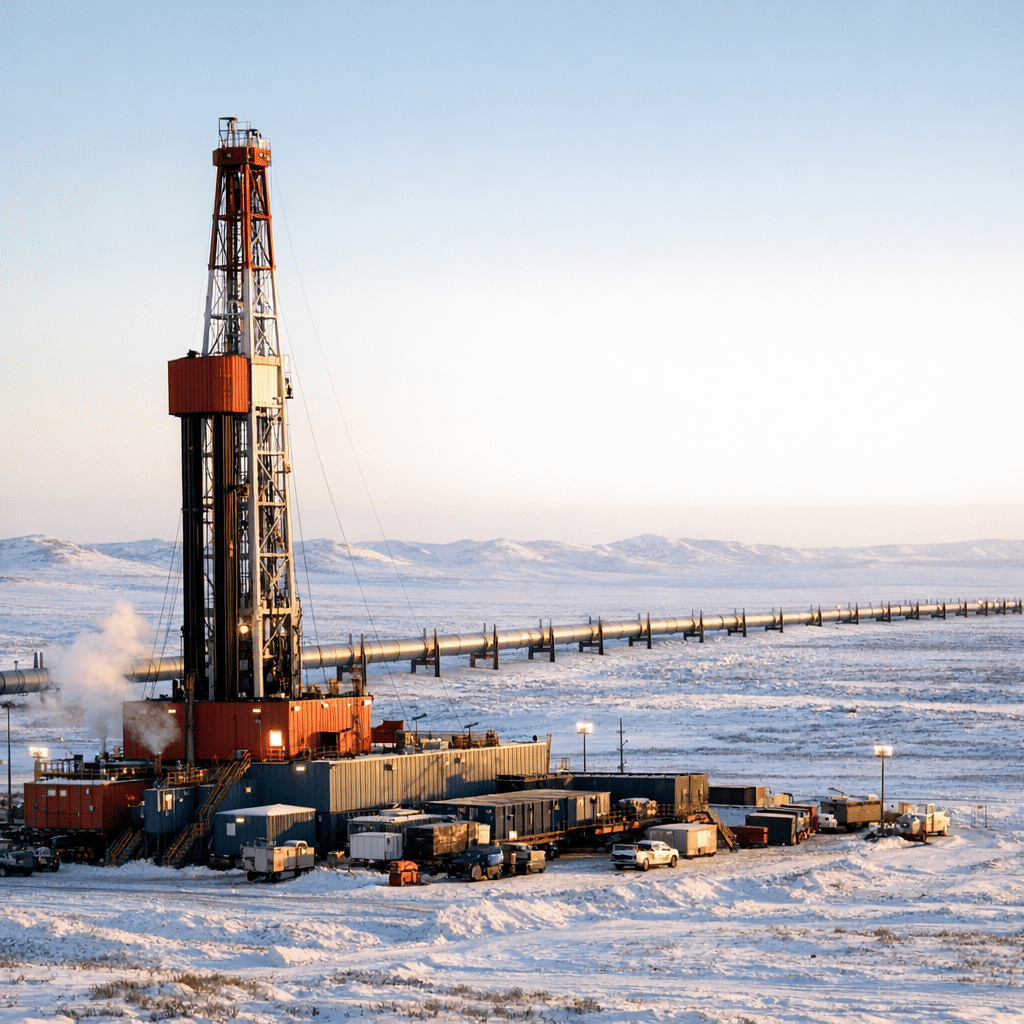
The North Slope of Alaska is home to some of the largest oil fields in the nation, including the Prudhoe Bay field, which has been a significant source of domestic oil since its discovery. Despite a decline in production over the years, these fields continue to play a crucial role in meeting the country’s energy demands. The Trans-Alaska Pipeline System, capable of transporting up to 2.1 million barrels of crude oil per day, remains a vital infrastructure component in delivering Alaskan oil to markets. [Source: U.S. Energy Information Administration]
Natural Gas Resources
In addition to oil, Alaska possesses substantial natural gas reserves. However, much of the natural gas extracted, particularly from the North Slope, is reinjected into oil fields to maintain production rates due to the lack of infrastructure to transport it to market. Efforts are ongoing to develop means of bringing this resource to consumers, which could further enhance Alaska’s role in national energy security. [Source: Energy Professionals]
Renewable Energy Initiatives
Alaska is also at the forefront of renewable energy development, particularly in its remote communities. The state hosts 50% of the installed microgrids in the U.S., many of which incorporate renewable energy sources such as wind and solar. These initiatives not only reduce reliance on imported fuels but also serve as models for sustainable energy solutions in similar environments worldwide. [Source: International Arctic Research Center]
Economic and National Security Implications
The strategic development of Alaska’s energy resources has significant implications for both economic growth and national security. By leveraging its abundant resources, Alaska contributes to reducing the nation’s dependence on foreign energy sources, thereby enhancing energy independence and security. Moreover, the state’s strategic location and resource wealth underscore its importance in the broader context of national defense and economic stability. [Source: U.S. Geological Survey]
In conclusion, Alaska’s energy resources are integral to the United States’ energy security strategy. Continued investment and innovation in both traditional and renewable energy sectors within the state will be essential in meeting future energy challenges and opportunities.