

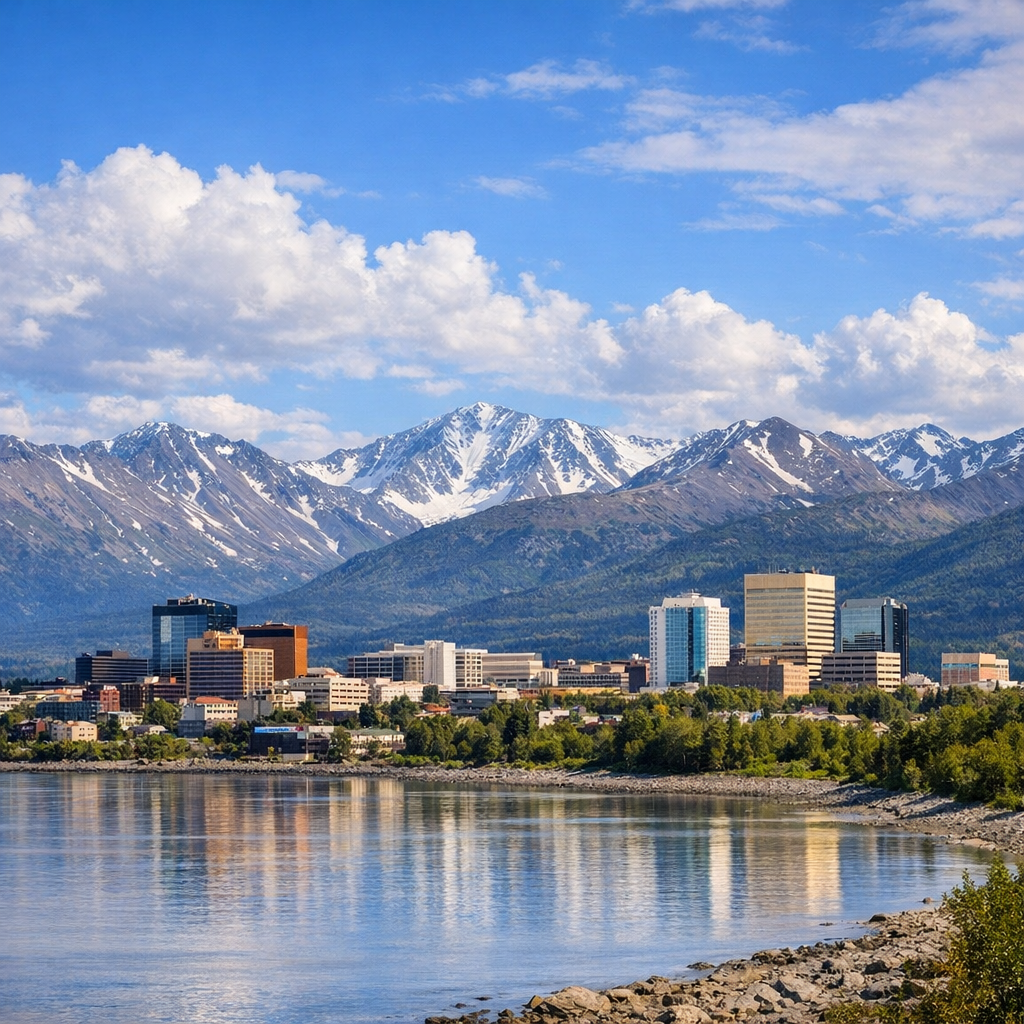
Anchorage, Alaska, has long been known for its unique subarctic climate, characterized by cold winters, mild summers, and significant seasonal variations in daylight. However, recent years have seen noticeable shifts in these patterns, prompting residents and experts alike to pay closer attention to our changing environment.
Warming Trends and Temperature Shifts
Over the past several decades, Anchorage has experienced a significant warming trend. Since the 1970s, average temperatures have risen approximately 4°F, with winter temperatures increasing even more dramatically. Notably, in July 2019, Anchorage reached an unprecedented 90°F, breaking previous records by a substantial margin. This warming is part of a broader pattern affecting the entire state, with Alaska warming at twice the global average rate.
Impacts on Precipitation and Snowfall
These temperature increases have led to changes in precipitation patterns. While the core winter months—December, January, and February—have seen increased snowfall, the shoulder seasons of October, November, March, and April are experiencing more rain and less snow. This shift results in more frequent freeze-thaw cycles, leading to icy conditions that can disrupt daily life and pose challenges for infrastructure maintenance.
Environmental Consequences
The warming climate has several environmental repercussions. Permafrost thaw is destabilizing infrastructure, and the retreat of glaciers is altering natural landscapes. Additionally, the lengthening of wildfire seasons poses increased risks to both urban and rural areas. These changes underscore the need for proactive measures to adapt to our evolving environment.
Community Response and Adaptation
In response to these changes, Anchorage is revisiting and expanding its climate action plans. Efforts are underway to enhance the city’s resilience, including updating building codes to account for shifting weather patterns and investing in infrastructure that can withstand new environmental challenges. Community engagement and education are also key components of these initiatives, ensuring that residents are informed and prepared for the changes ahead.
Understanding and adapting to Anchorage’s evolving climate is crucial for maintaining the quality of life and preserving the natural beauty that defines our city. By staying informed and proactive, we can navigate these changes together and build a more resilient community.